-
.jpg) Protect the Redundancy Entitlements of St John of God Health Care WorkersThese health workers helped make Mt Lawley a respected hospital for patient care and a great place to work. Many have given years of service, contributed to the hospital’s reputation, and supported patients, families and colleagues through challenging periods. They deserve to be treated with dignity at the end of their employment, not subjected to an avoidable legal process that seeks to reduce their entitlements. St John of God's application to reduce entitlements is particularly disappointing given the $80 million sale, alongside further government investment to support commissioning, transition, and ongoing public hospital services at Midland Hospital. By signing this petition, you can urge St John of God to deliver health worker entitlements in full and resolve this matter in a way that reflects the values of respect, compassion and dignity that the organisation publicly espouses.467 of 500 SignaturesCreated by Health Services Union WA
Protect the Redundancy Entitlements of St John of God Health Care WorkersThese health workers helped make Mt Lawley a respected hospital for patient care and a great place to work. Many have given years of service, contributed to the hospital’s reputation, and supported patients, families and colleagues through challenging periods. They deserve to be treated with dignity at the end of their employment, not subjected to an avoidable legal process that seeks to reduce their entitlements. St John of God's application to reduce entitlements is particularly disappointing given the $80 million sale, alongside further government investment to support commissioning, transition, and ongoing public hospital services at Midland Hospital. By signing this petition, you can urge St John of God to deliver health worker entitlements in full and resolve this matter in a way that reflects the values of respect, compassion and dignity that the organisation publicly espouses.467 of 500 SignaturesCreated by Health Services Union WA
-
 Protect Psychology, Protect our Community.Psychologists are a critical part of our health and community services, supporting people across mental health, hospitals, child protection, education, neuropsychology and many other essential services. Yet despite the scale of the proposed changes, more than 70% of organisations that made public submissions to the Psychology Board’s consultation opposed the proposal outright, with many others only offering conditional support. That matters because these reforms could have lasting consequences for psychology training, workforce experience and the ability of services to recruit and retain skilled psychologists. When psychology services cannot attract and keep the workforce they need, communities feel the impact through longer waits, reduced access to specialist care and greater pressure on already stretched services. We need reform that strengthens psychology, not weakens it. Protect Psychology, Protect our Community.206 of 300 SignaturesCreated by Health Services Union SA/NT
-
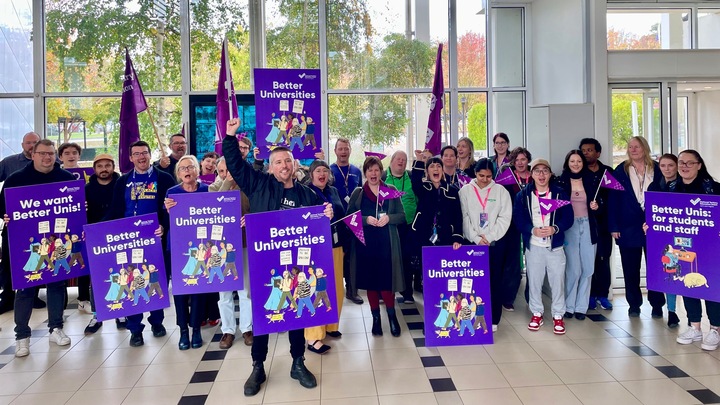 Students stand with staff at Fed UniIf Fed Uni wants to be a genuine leader in cooperative education, it must start by cooperating with its own staff. We urge you to support our educators in their efforts to secure fair treatment and working conditions. Show your support by signing the petition and sending Professor Bentley a message yourself now! Read more about our campaign here: https://www.nteu.au/branch/FedUni50 of 100 SignaturesCreated by Federation Uni NTEU Members
 -
 Protect Safe Abortions in VictoriaSafe abortion has always been a union issue. Because when politicians choose to turn abortion from a reproductive health procedure into a criminal offence, it’s not their rich mates who lose access to safe abortion. It’s working class women. And it’s working class women who end up sick or dying painfully from backyard abortions, or forced against their will or against medical best practice to carry pregnancies that they can’t or don’t want to continue. In Queensland, South Australia, and New South Wales, we’re already seeing One Nation and their mates try to roll back safe abortion laws with American-style “incrementalist” changes. And we can’t trust the Liberal Party, which is bankrolled by hardcore religious groups like the Exclusive Brethren, to stand up for women’s rights when it counts. We’re calling on all politicians and candidates this state election to stand with us and commit to protecting our right to safe abortion and reproductive healthcare.5,583 of 6,000 SignaturesCreated by Victorian Trades Hall Council
 -
 Stand Up For Tasmanian NursesNurses are the backbone of Tasmania's health system. When wards are understaffed and nurses are stretched thin, it's not just nurses who feel it, it's every Tasmanian who relies on a hospital bed, an emergency department, or a clinic appointment when they're at their most vulnerable. This isn't just about pay. It's about: • Safe staffing levels, so nurses aren't stretched across too many patients at once • Retaining experienced nurses, instead of losing them to burnout or interstate jobs with better conditions • A functioning public health system that Tasmanians can rely on in an emergency • Fair recognition for a workforce that shows up through every crisis, every night shift, every understaffed ward249 of 300 SignaturesCreated by Health and Community Services Union TAS (HACSU)
-
 Support your Nurses and Midwives: We can't hold on foreverNurses and midwives work across our hospitals, health centres, remote communities, maternity services, mental health services and community care. They are an essential part of the health system, but the Territory must be able to attract experienced staff, retain the workforce it already has, and provide working conditions that allow people to build long-term careers here.844 of 1,000 SignaturesCreated by ANMF NT
 -
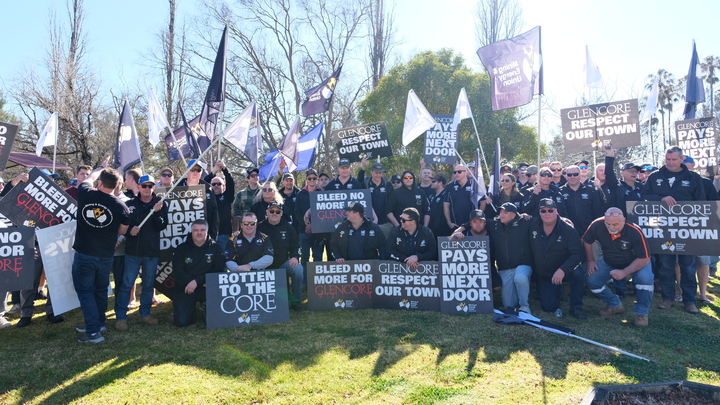 Fair Jobs and Wages for MudgeeGlencore extracts enormous wealth from Ulan, but the jobs created should provide lasting benefits for Mudgee. Temporary contractor numbers at Ulan Underground increased from 149 in July 2025 to 215 in August 2026—a rise of 44 per cent in 13 months. However, Glencore has employed only 12 new permanent workers since the Enterprise Agreement expired in September 2024. Many contractors travel into the region for work rather than living locally. Offering them permanent employment would provide greater security and encourage more workers and families to settle in Mudgee. Good permanent jobs support families, local businesses and the wider community. Mudgee should receive a fair return from mining through secure local employment and fair wages—not an increasingly temporary workforce and permanent workers paid less than those at the mine next door.1,356 of 2,000 Signatures
 -
 RATIOS SAVE LIVES – Deliver funding now!Frontline nurses and midwives cannot continue to carry the pressure of increasing demand, unsafe staffing and burnout. We deserve better. Ultimately, it will be our vulnerable patients and the WA community who pay the price for this poor planning and decision-making in delaying the rollout of ratios. Their safety, care and outcomes cannot wait. Together, ANMF WA members are calling on the WA Government to do its part and ensure the commitment it made to nurses and midwives is fully funded. We demand urgent action to: • Fully fund and deliver phase three of nurse and midwife-to-patient ratios as promised. • Stop further delays to the rollout of ratios. • Meaningfully consult and engage with ANMF WA and its members on any decisions about ratios and their implementation. Ratios were won through collective action, and together we will make sure they are delivered. SIGN THE PETITION AND DEMAND THE WA GOVERNMENT DELIVER THE RATIOS NURSES, MIDWIVES AND PATIENTS WERE PROMISED.6,630 of 7,000 SignaturesCreated by ANMF WA
-
 ANU Students: Protect Our Mid-Semester Break!Justification centres around a lack of venue availability to accommodate increasing demand for centrally supported mid-semester examinations, and a proposal to reduce the minimum enrolment threshold for central support from 100 to 20 students; whilst we recognise that there is room for improvement and increased efficiency of implementation within our current system, the proposed solution of moving exam periods into the mid-semester itself is one that is short-sighted and based on information that neglects any form of student input. Furthermore, with minimal projected data indicating what the increased demand looks like, it is concerning that this proposed change is being promoted without a publicly available justification of what Semester 1 2027 will entail in terms of demand and capacity. This proposal effectively stretches a 12‑week semester with a two‑week break into a 14‑week semester with zero certainty about when exams will fall. And with Student Hub already struggling to process ECAs and deferred exams, it is unclear how the University expects to cope with the inevitable surge – especially for students who have already made plans for next year.1,314 of 2,000 SignaturesCreated by ANUSA Education
 -
.png) Big Housing Build Should = Local JobsThe Victorian Government has the power to require publicly funded projects to use more locally made products. We call on it to use that power and back Victorian workers. Spending public money locally supports local factories, creates jobs, trains apprentices and strengthens our supply chains. PUBLIC MONEY SHOULD SUPPORT VICTORIAN JOBS. BUILD HOUSING. EMPLOY VICTORIANS.718 of 800 SignaturesCreated by Timber, Furnishing & Textiles Union
Big Housing Build Should = Local JobsThe Victorian Government has the power to require publicly funded projects to use more locally made products. We call on it to use that power and back Victorian workers. Spending public money locally supports local factories, creates jobs, trains apprentices and strengthens our supply chains. PUBLIC MONEY SHOULD SUPPORT VICTORIAN JOBS. BUILD HOUSING. EMPLOY VICTORIANS.718 of 800 SignaturesCreated by Timber, Furnishing & Textiles Union -
 Protect NT schoolsThis bill opens the door to lowering the standard of education in Territory schools. That impacts every employee, student, parent and community member with an interest in the success of NT education. Please join us in urging the government to abandon this rushed and risky bill.1,053 of 2,000 SignaturesCreated by IEU QNT
-
 Save Metal Trades, Save Manufacturing, Save Bell BayEvery job lost at Bell Bay Aluminium will ripple out through workshops, contracting businesses, and the wider community. The future of manufacturing and Metal Trades in northern Tasmania hinges on the continued operation of the industry in Bell Bay. The government has the means and ability to act, it must contract to supply cheap power from Tasmanian Hydro to Bell Bay and save manufacturing in Tasmania.233 of 300 SignaturesCreated by The AMWU